
Medical data up for grabs?
Medical data up for grabs?
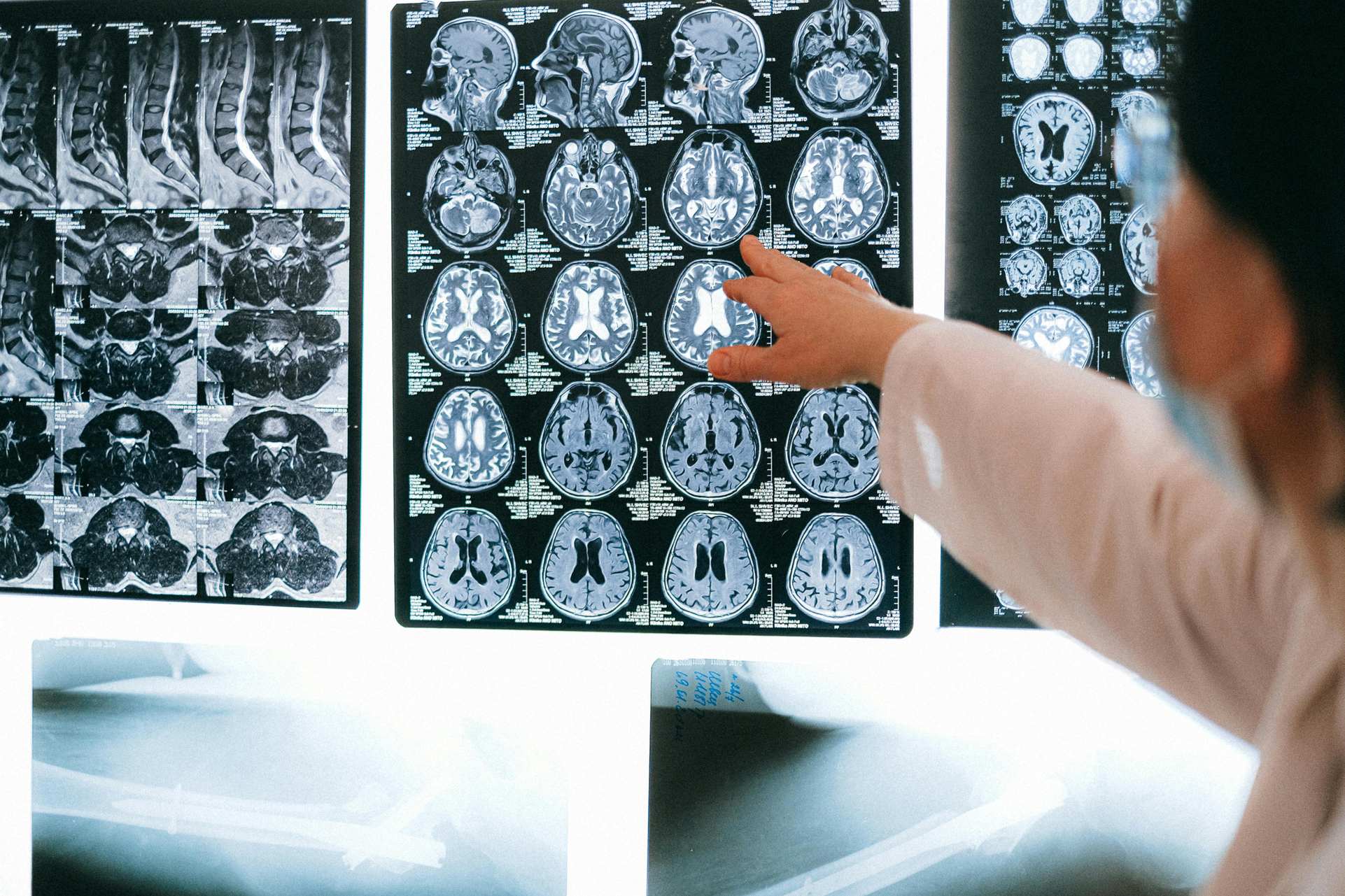
Most people don't realise how important and valuable medical information about themselves really is. There's often a certain indifference to the question of what could happen to one's own data, as long as treatment runs smoothly. What many underestimate: access to personal medical records enables crimes that extend far beyond the digital realm. It starts with seemingly harmless information like email addresses, but quickly leads to abuse scenarios like manipulating patient prescriptions for illegal medication access or complete identity theft through stealing social security numbers. That's why it's essential not only to have a generally secure healthcare system, but for individual practices and medical care centres to guarantee security that meets modern, adequate data processing standards.
The price of health on the black market
Healthcare tops the global list for the most expensive data breaches. A look at current figures shows the urgency:
- Risk number one: Cyber incidents are ranked globally as the greatest business risk, now even ahead of issues like inflation or energy crisis [Allianz].
- Growing threat to mid-sized organisations: Ransomware attacks no longer affect only large hospitals. Attackers increasingly shift their focus to medium-sized organisations and outpatient structures like medical care centres, where the security situation is often less transparently monitored [Thieme].
- Financial knockout: According to current reports, data breaches in healthcare remain the costliest of all, as restoring complex patient systems consumes enormous resources [IBM].
Particularly critical is protecting social security numbers and prescriptions. These must be strictly secured, as they not only enable access to medications but can directly endanger treatment safety when manipulated. Today's technological infrastructure often isn't at the level that the professionalisation of attackers would require.
Why medical care centres are now in the crosshairs
A medical care centre is a very attractive target due to its structure. These centres often grew organically: different specialties and locations use different practice management systems (PMS) and interfaces. This "technological patchwork" makes it difficult to implement security updates (patch management) uniformly and massively increases the attack surface.
Another real risk is faulty integration of the Telematics Infrastructure (TI). Critical TI components are often operated in unsafe parallel mode with conventional routers, completely negating the protective effect of the hardware [Heise].
What medical care centres need to watch out for now
To avoid becoming a target, operators should pay attention to the following points:
- Central IT structure instead of point solutions: Security requires uniformity. Usually, only central updates and uniform standards can close existing entry points [KBV].
- Network segmentation: Medical devices should never be on the same network as guest WiFi
- Incident response: There must be clear "playbooks". What happens if ransomware is suspected? Who decides? How does emergency paper-based operation continue?
- Staff awareness: Since around 60% of attacks are enabled by the "human factor" (e.g. phishing), regular training for practice staff is essential [Sec-consult].
Legal obligation: NIS-2 and the KBV directive
T security is no longer a voluntary choice. The NIS-2 directive now also places greater obligations on larger medical care centres (from 50 employees or €10 million annual turnover). Those reaching these thresholds must comply with strict risk management measures and reporting obligations to the BSI. Additionally, the KBV IT security directive mandates binding measures for all practices, from antivirus protection to encryption [KBV] .
How DaPhi supports you
DaPhi relieves you exactly where medical responsibility and technical complexity meet. Instead of having to coordinate between service providers yourself or react ad hoc when problems arise, we create a unified, reliable IT structure across all locations. Different systems are consolidated into a stable overall platform, modern security standards are consistently implemented, and your organisation is prepared early for regulatory requirements like NIS-2.
Your IT works quietly, securely, and reliably in the background. This creates what matters in daily medical practice: smooth operations, protected patient data, and the certainty that the technical foundation always holds.
Photo by Pavel Danilyuk and Anna Shvets



Let's scale your IT